Designing the Narrative Experience
How I applied UX principles to solve "Gallery Fatigue" in wedding photography.
The Challenge
Traditional wedding photography often prioritizes "system requirements"—getting every possible shot—over the actual user experience of the couple. This results in:
Bloated Data Sets: Galleries of 1,000+ near-identical images.
Decision Fatigue: Users feel overwhelmed by "noise" and redundancy.
Friction: The "posed" approach forces a generic brand onto the user, interrupting their natural behavior.
The Pivot: A User-Centered Approach
I shifted my methodology from Orchestration to Observation. By applying UX curation principles, I transformed the final product from a storage dump into a curated narrative.
1. Reducing Cognitive Load
Intentional Culling: I implemented a strict rule where no two photos in a gallery can be functionally similar.
Quality over Quantity: I realized that providing more options does not equal a better experience for the couple.
2. Prioritizing the "User Task"
Frictionless Interaction: By taking a documentary approach, I allow the couple to focus on their primary "task"—experiencing their wedding day—with minimal interruption.
Authentic Data Capture: The resulting images depict actual user behavior rather than forced, artificial poses.
The Visual Evidence
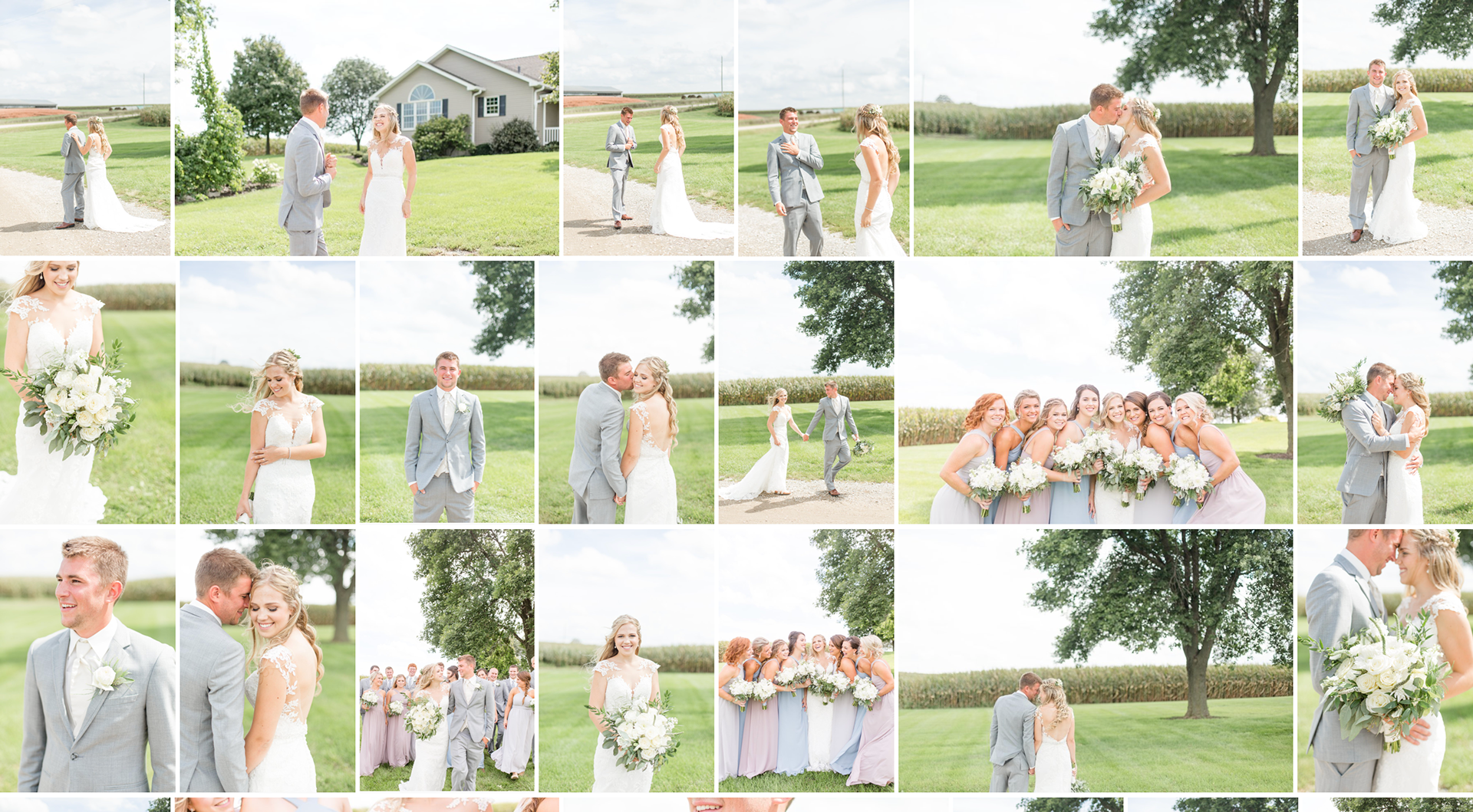
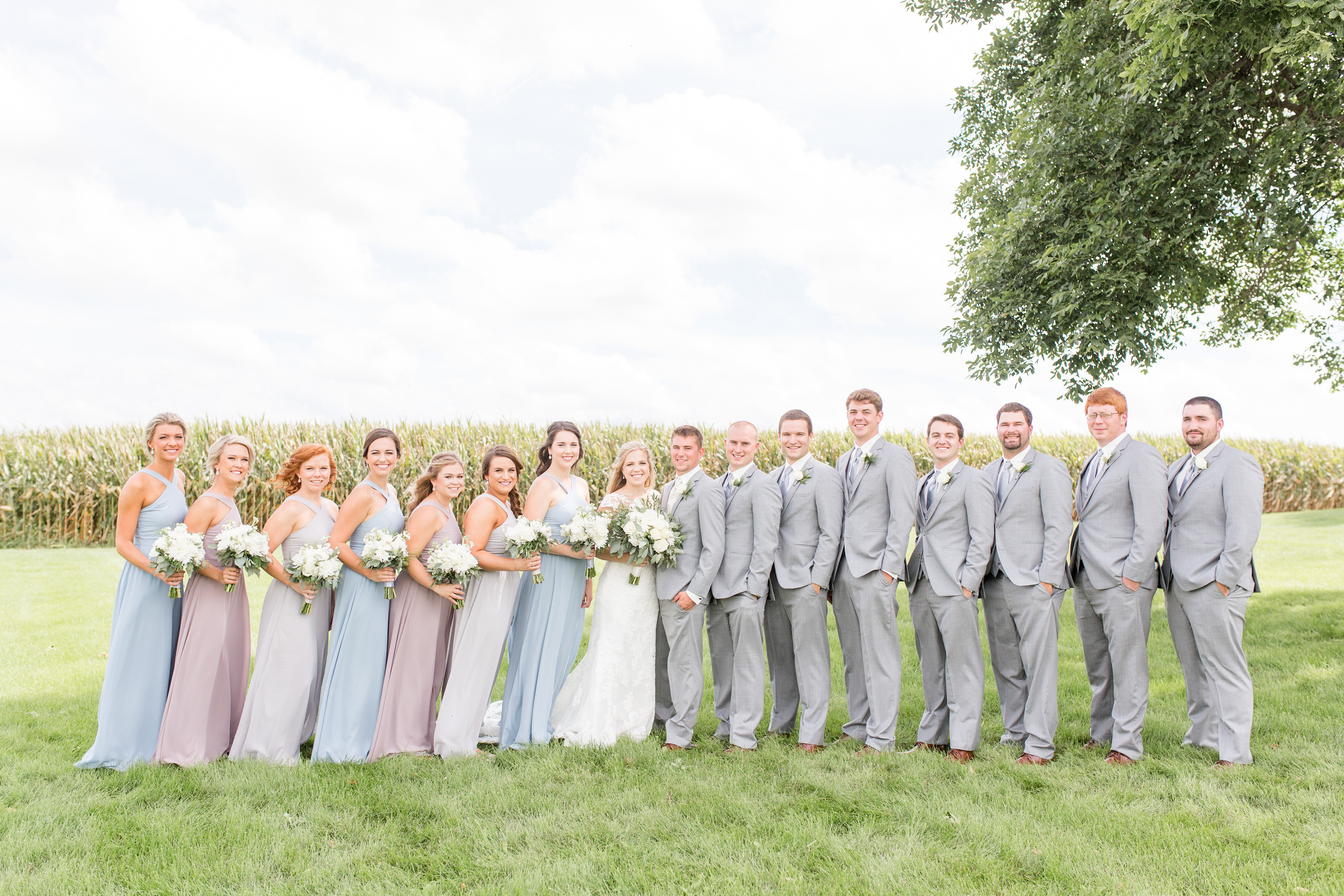
The Bloated Experience: Redundancy & Decision Fatigue.
High Redundancy: 15+ photos of the same pose with micro-adjustments.
User Outcome: Decision fatigue and loss of narrative.
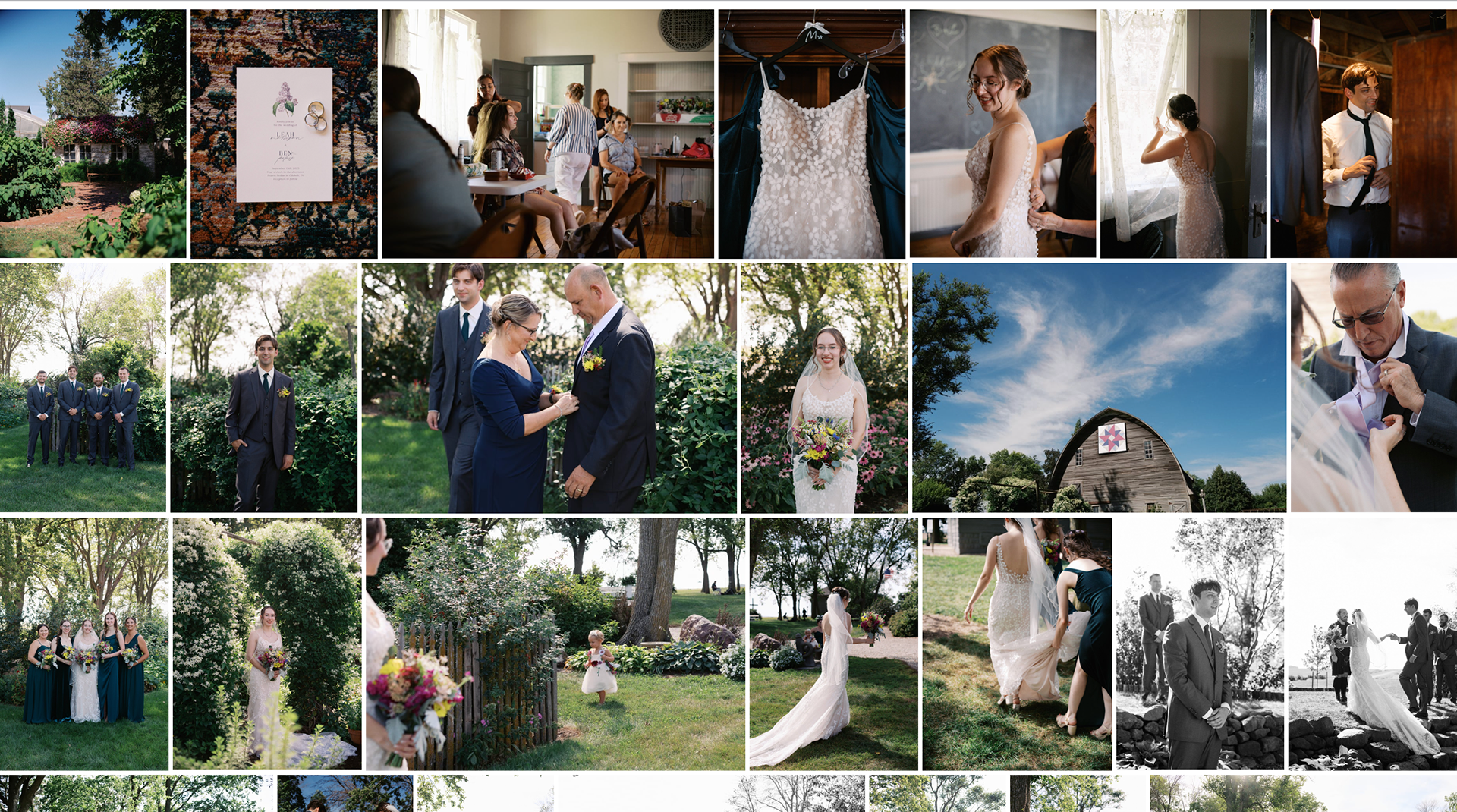
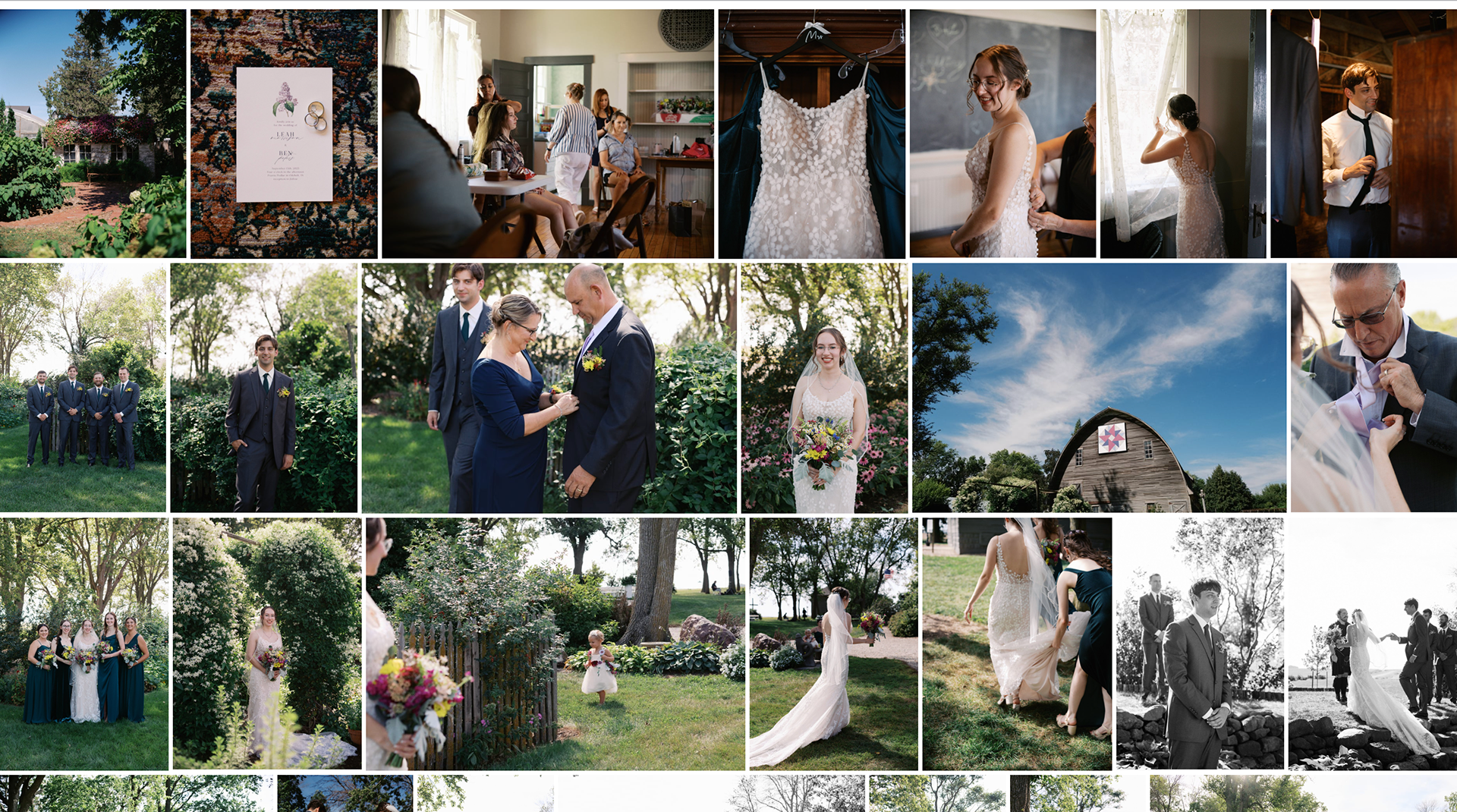
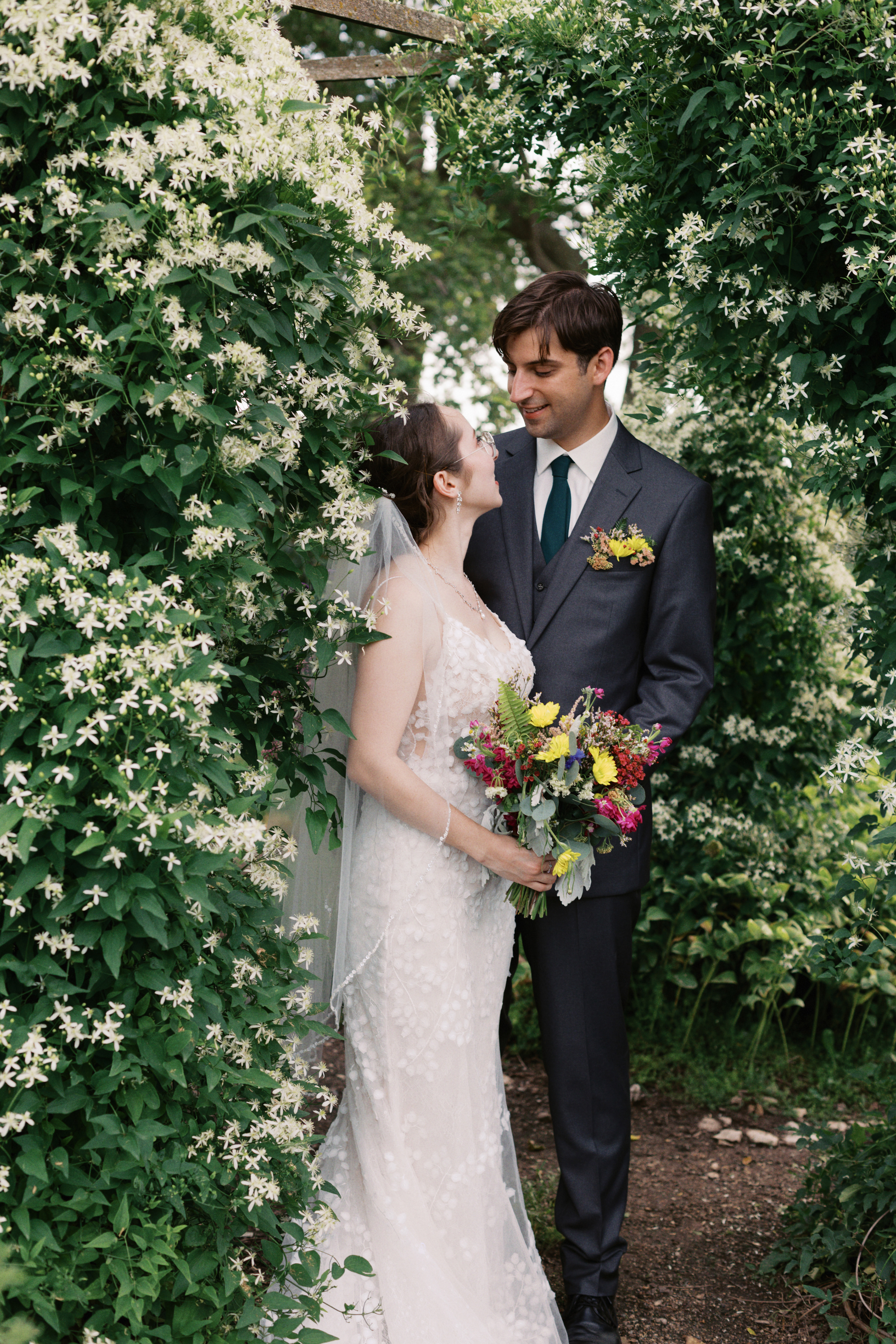
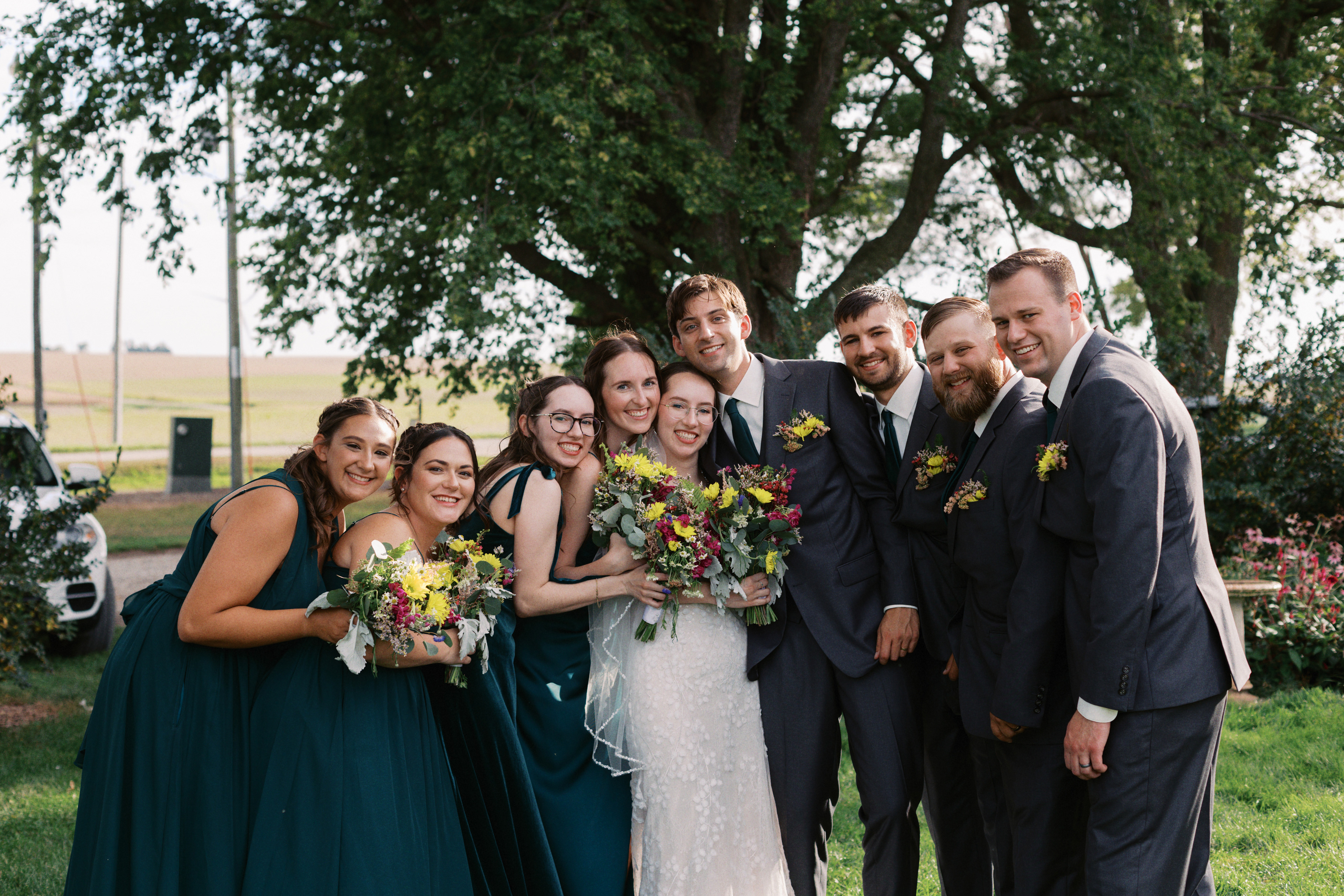
The Curated Experience: High Value & Narrative Clarity.
High Impact: Every photo serves a unique purpose in telling the story.
User Outcome: Narrative clarity and ease of navigation.
Business & User Impact
By prioritizing curation over volume, I achieved measurable improvements in both operational efficiency and user satisfaction:
Operational Efficiency: I reduced gallery post-production time by 40%, dropping from 10+ hours to 6 hours per project.
Workflow Optimization: By shifting my focus to "essential-only" culling, I eliminated redundant editing tasks and streamlined my internal delivery pipeline.
Increased User Value: Clients reported a deeper emotional connection to the final product, as "hero" images surfaced immediately without the friction of redundant choices.
Reduced Friction: By removing the "noise" of near-identical shots, I successfully mitigated decision fatigue, allowing clients to relive their narrative experience rather than manage a data set.
The UX Bridge: Why This Matters
My photography career taught me that clarity beats innovation. Whether I am designing a wedding gallery or a digital interface, my goal remains the same:
To curate, simplify, and protect the user’s attention by ensuring every asset serves a distinct, valuable purpose . I am now bringing this "information-first" mindset to UX/UI design, where I help users navigate complex systems with ease.